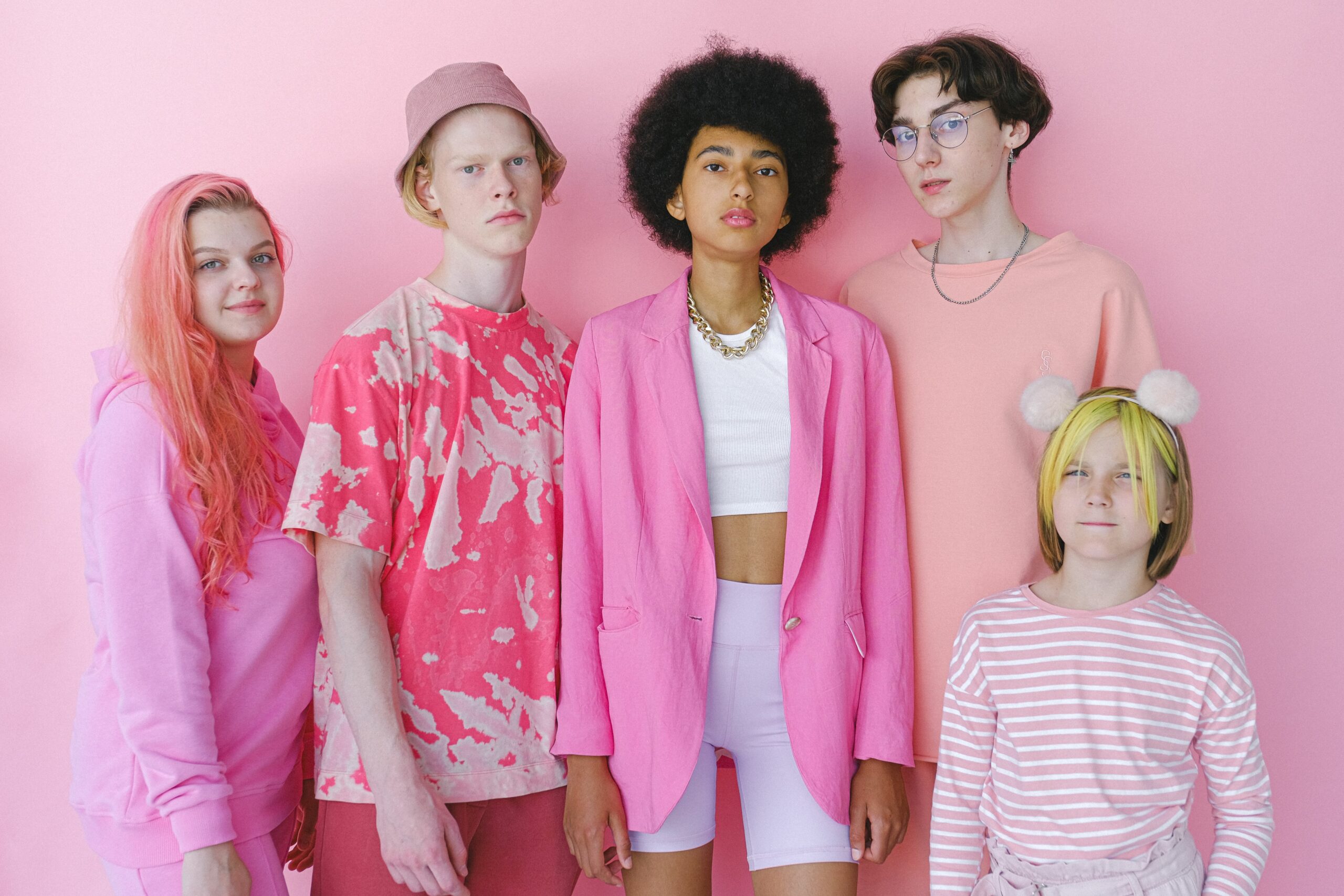
In European countries, equality is often presented as a defining democratic value for everyone. Yet for many people, particularly women and LGBTQI+ individuals, everyday life continues to be shaped by exclusion, discrimination, and unequal access to opportunity. Behind the language of progress in the mainstream Media lies a more complex reality: many people still feel pressured to hide parts of themselves to be accepted by their friends, families, or society at large, thus raising the alarm about whether we are serious about human freedom or it is just a mere propaganda.
Gender inequality remains deeply rooted in European society despite various organisations and Government intervention. For instance, Women across the European Union continue to face wage gaps, unequal representation in leadership, and disproportionate responsibility for unpaid care work. According to the World Economic Forum, progress toward gender equality has improved in recent years, but structural inequalities continue to limit economic and political participation. These inequalities are reinforced by cultural expectations and traditional gender norms that shape the education, employment, and social life of women and the LGBTQI+ community.
However, discussions about inequality as a whole in Europe often remain limited to comparisons between men and women. This narrow understanding overlooks the experiences of people whose identities do not fit within traditional gender categories. For many LGBTQI+ individuals, inequality is not only about unequal treatment of people but also about invisibility, exclusion and limited freedom. Philosopher Judith Butler argues that gender is not simply biological but socially constructed through repeated social expectations and behaviours. This perspective challenges the assumption that identity can only exist within rigid male and female categories as widely recognised in traditional cultural beliefs, national laws and international laws. Across Europe, many people continue to face discrimination because their identities challenge traditional norms and some existing national laws.
Although Europe is often widely viewed as the most progressive on LGBTQI+ rights, unlike African countries, the reality differs significantly between countries. In recent years, the European Commission has warned that hate speech, discrimination, and violence against LGBTQI+ communities remain widespread across the continent. ILGA-Europe’s Annual Review also highlights growing political hostility toward LGBTQI+ rights in several European states, including restrictions on freedom of expression, healthcare access, and public visibility. These realities hinder the realisation of equal opportunity and an inclusive society for all, thus limiting individuals’ basic rights. For example, Italy reflects many of these broader European tensions. While the country has made some progress, including the legal recognition of same-sex civil unions in 2016, important protections remain limited. Same-sex marriage and full parental recognition for LGBTQI+ couples are still not guaranteed under Italian law. In recent years, public debates surrounding surrogacy, parenting rights, and gender identity have revealed deep political and social divisions. According to ILGA-Europe’s Rainbow Map, Italy continues to rank below many Western European countries in terms of LGBTQI+ legal protections. Reports from civil society organisations have also documented increasing concerns about hate speech and discrimination, particularly toward transgender and non-binary individuals. These challenges are often intensified by conservative political discourse and the influence of traditional family values in public debate at the same time, Italy remains marked by broader gender inequalities. Women continue to face lower employment rates than men and remain underrepresented in leadership positions. Regional inequalities further deepen these issues, particularly in southern Italy, where economic opportunities and social protections are often more limited.
These realities demonstrate that inequality is not only maintained through laws and institutions but also through everyday attitudes and social expectations. Many people live as “shadows” of themselves, carefully navigating workplaces, schools, families, and public spaces where full acceptance is uncertain. The concept of intersectionality, introduced by legal scholar Kimberlé Crenshaw, helps explain how different forms of discrimination overlap. Gender, sexuality, race, migration status, disability, and economic background all interact to shape people’s experiences of exclusion. For example, migrant LGBTQI+ individuals in Europe may face both xenophobia and homophobia, while transgender people often encounter barriers in employment, healthcare, and legal recognition.
Understanding these overlapping inequalities is essential because policies that focus on only one form of discrimination often fail to protect the most vulnerable groups. Equality cannot be achieved through legal reforms alone if social attitudes and institutional practices continue to exclude certain communities.
Inclusion therefore becomes the missing link between rights and lived experience. Inclusion means more than tolerance; it means actively creating spaces where all people are recognised, represented, and valued. Philosopher Martha Nussbaum argues that justice should be measured not only by formal rights but by people’s real ability to live freely and participate fully in society.
Across Europe, there are signs of progress despite the existing challenges. The European Union’s LGBTIQ Equality Strategy calls for stronger protections against discrimination, hate crimes, and exclusion while promoting dignity and equal participation for all citizens. Civil society organisations like Oxfam, activists, and community groups across Europe continue to advocate for safer and more inclusive and just societies.
Education also plays a crucial role in challenging prejudice and stereotypes. Schools and universities can help create environments where diversity is understood rather than feared. Media representation is equally important because visibility can help reduce stigma and normalise different identities and experiences. Yet inclusion requires more than policy statements. It demands political courage and social empathy. Governments must strengthen anti-discrimination protections, expand access to healthcare and social services, and ensure that human rights are protected consistently across all European countries.
The pursuit of equality is ultimately a struggle for dignity and freedom. As long as certain identities remain excluded or marginalised, Europe’s commitment to equality remains incomplete. A society cannot truly call itself democratic if some people still feel forced to hide who they are in order to feel safe.
To move beyond a world where people live as shadows of themselves, inclusion must become central to Europe’s social and political future. Diversity should not be viewed as a threat to tradition or social stability but as a reflection of human reality. Only by recognising and valuing all identities can Europe move closer to becoming a genuinely inclusive and equal society.